Exhibition Carpets Dubai
Exhibition Carpets Dubai for Trade Shows, Events & Exhibition Stands
Exhibition Carpets Dubai
Make your exhibition stand look complete, professional and ready for visitors with the right exhibition carpet in Dubai. Whether you’re preparing a small 3m × 3m booth, a large trade-show stand, a corporate event or a branded product launch, the right temporary flooring can make a noticeable difference to the overall space.
We provide exhibition carpet solutions designed around your booth size, event requirements, branding and budget. From practical temporary carpets to custom printed and premium options, you can choose a solution that looks good while standing up to the foot traffic an exhibition brings.
Need help deciding what you need? Share your booth dimensions, venue and event date with us, and we can help you select the right carpet and arrange the required service.
Exhibition Carpet Solutions We Provide in Dubai
Exhibition flooring is not a one-size-fits-all purchase. A small promotional booth may need a simple, economical carpet, while a premium trade-show stand may require a customized floor that matches the company’s branding.
Our exhibition carpet solutions can include:
- Temporary exhibition carpets
- Trade-show booth carpets
- Custom-size carpets
- Custom-colored carpets
- Printed and branded exhibition carpets
- Carpet tiles
- Event carpets
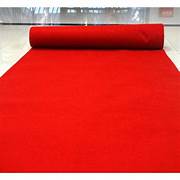
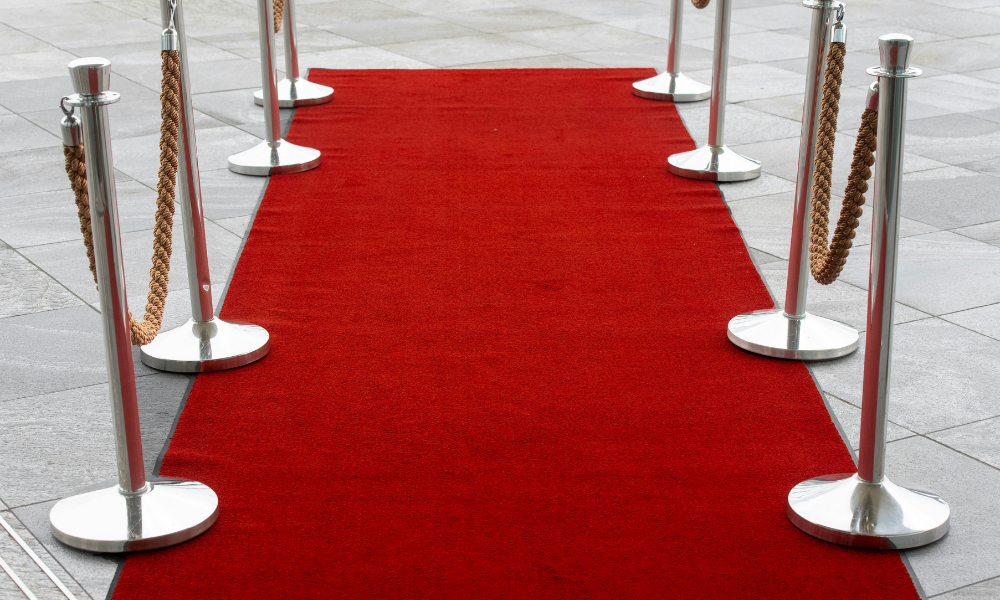
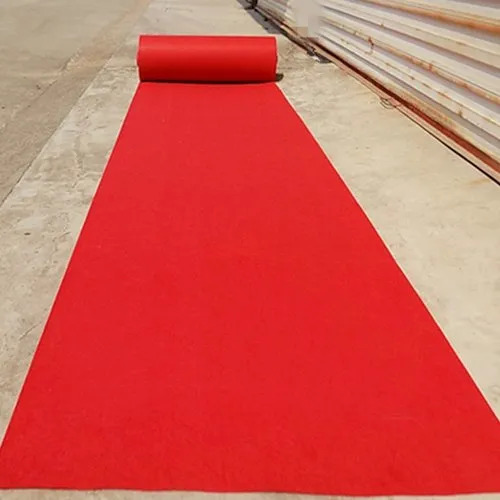
- Red carpets
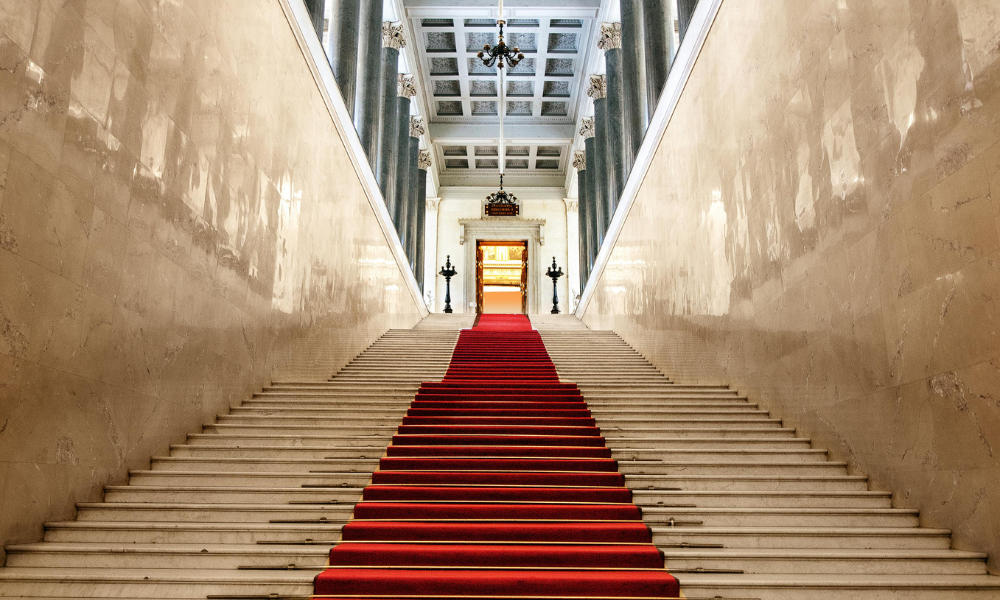
- Stage and aisle carpets
- Outdoor event carpets
- Exhibition carpet installation
- Carpet removal after an event
The right option depends on how long the carpet will be used, how much traffic the area will receive, how the booth is designed and whether you plan to reuse the carpet for future events.
Why Choose Exhibition Carpets Dubai?
Types of Exhibition Carpets Available
Different exhibition spaces call for different flooring solutions. Instead of choosing a carpet based only on appearance, consider how the space will be used.
Needle-Punch Exhibition Carpet
Needle-punch carpet is a practical choice for temporary exhibitions and larger floor areas where durability and cost matter. Its relatively simple appearance works well when the carpet’s main purpose is to create a clean, finished surface underneath an exhibition stand.
It can be particularly useful for companies attending short-term events where they need functional flooring without investing in a high-end decorative carpet.
Loop-Pile Exhibition Carpet
Loop-pile carpets provide a more structured appearance and can be suitable for areas expecting regular visitor traffic. They can work well for business exhibitions where you want the booth to look professional without going for an overly luxurious finish.
For example, a technology company exhibiting for three days may choose a durable neutral-colored carpet that complements its display walls and furniture rather than using a decorative floor that competes with the products.
Premium and Plush Exhibition Carpet
If the appearance of your exhibition stand is a major part of the presentation, a premium or plush carpet can give the space a more refined finish.
This type of carpet can work particularly well for:
- Luxury brands
- Automotive displays
- High-end product launches
- Corporate hospitality areas
- VIP event spaces
A darker premium carpet can also create a strong contrast against light-colored furniture and illuminated branding.
Carpet Tiles
Carpet tiles offer a modular flooring option. If one section becomes damaged or heavily soiled, individual tiles can potentially be replaced rather than replacing the entire floor.
They can be useful for certain reusable exhibition setups, especially when the booth design is modular and may be assembled in different configurations.
Custom Printed Exhibition Carpets
Want your company logo or event artwork incorporated into the floor? Custom printed carpet can turn unused floor space into part of your branding.
You can use custom designs for:
- Company logos
- Brand patterns
- Event names
- Sponsor logos
- Campaign graphics
- Directional designs
- Product-launch themes
Custom printing is particularly useful when your booth is designed around a strong visual identity. The important part is making sure the artwork works with the furniture, walls, lighting and visitor pathways rather than simply placing a logo wherever there is available floor space.

Massive Savings Alert: Up to 40% Off on All Wholesale Orders!!
How to Choose the Right Exhibition Carpet for Your Booth
The cheapest carpet is not automatically the best option, and the most expensive one may not be necessary either.
Start with these factors.
1. Consider Your Booth Size
The size of the exhibition area determines how much carpet you need and can influence which carpet format is practical.
For example, a 3m × 3m booth has a floor area of:
3 × 3 = 9m²
A 6m × 3m booth requires:
6 × 3 = 18m²
The final quantity may vary depending on carpet roll width, cuts, booth shape, seams and installation requirements.
2. Think About Foot Traffic
A booth that receives hundreds of visitors throughout a multi-day exhibition needs a different solution from a private corporate meeting area.
For busy exhibitions, prioritize:
- Durability
- Low-maintenance materials
- Resistance to matting
- Easy cleaning
- Secure installation
3. Match the Carpet to Your Booth Design
Your carpet should support the overall stand rather than fight with it.
A grey or charcoal carpet can create a clean background for colorful graphics. A black floor can provide a premium appearance, while a brighter color can make a branded promotional area more noticeable.
Also consider exhibition lighting. A carpet that looks one way under showroom lighting can appear different under strong venue lights.
4. Consider How Long You Will Use It
For a one-time event, a straightforward temporary carpet may be all you need.
If your company attends several exhibitions every year, investing in a durable and reusable solution may make more sense.
5. Don’t Forget Installation
The carpet itself is only part of the job. You also need to consider when it can be delivered, how it will be installed and when it needs to be removed.
This is especially important when an exhibition venue gives contractors a limited setup window.
Custom Exhibition Carpets for Your Brand
Your exhibition floor is part of your stand’s visual space. With custom carpet, you can use it to reinforce your branding instead of leaving the entire floor as an afterthought.
A custom exhibition carpet can incorporate your:
- Logo
- Corporate colors
- Brand patterns
- Campaign artwork
- Event name
- Sponsor branding
- Promotional graphics
A typical project can follow a straightforward process:
Artwork → Design approval → Production → Quality check → Delivery → Installation
For example, imagine a software company using a white-and-blue exhibition stand. Instead of choosing a random red carpet, it could use a blue carpet with a subtle repeating brand pattern and logo near the main visitor area. The result feels intentional because the flooring is connected to the rest of the stand design.
If you want printed carpet, make sure your artwork is supplied in the correct format and at suitable resolution before production begins.
Exhibition Carpet Installation in Dubai
A professionally installed carpet should look flat, secure and properly fitted around the exhibition space.
Depending on the carpet and venue requirements, installation may involve:
- Reviewing the booth layout
- Measuring the required area
- Preparing and cutting the carpet
- Positioning the carpet
- Joining sections where necessary
- Securing edges
- Trimming excess material
- Checking seams and corners
- Cleaning the finished surface
- Completing a final inspection
For larger temporary installations, the flooring underneath may also need consideration. Some exhibition projects require temporary subflooring before the carpet is installed.
The installation method should always be appropriate for the carpet, venue rules and floor surface. This is important because loose edges or poorly secured sections can create trip hazards and make an otherwise professional stand look unfinished.
FREE INTERIOR DESIGN SERVICES FOR ALL OUR CUSTOMERS !!
How Much Exhibition Carpet Do You Need?
Calculating the basic floor area is simple:
Length × Width = Required floor area
For example, if your exhibition stand is 6m × 3m, the basic area is 18m².
But don’t automatically order exactly 18m² without considering the actual installation.
The final requirement can depend on:
- Carpet roll width
- Booth shape
- Columns or obstacles
- Cutting requirements
- Seams
- Installation method
- Areas that need to remain uncovered
- Potential material wastage
If you already have an exhibition stand floor plan, send it to us along with the dimensions. It can make the quotation and material calculation much more accurate.
Exhibition Carpet Rental vs Buying
Not every exhibition requires the same purchasing approach.
When Rental May Make Sense
Rental can be worth considering if:
- You’re attending a one-time event
- The carpet will only be used for a few days
- You don’t have storage space
- You don’t expect to reuse the same flooring
- You want to keep the initial investment lower
When Buying May Make Sense
Buying may be more practical if:
- Your company attends exhibitions regularly
- You want to reuse the carpet
- You need a custom branded design
- You have suitable storage
- The same booth design will be used repeatedly
For example, a company attending six exhibitions a year may benefit from a durable reusable carpet instead of arranging a completely new flooring solution for every event.
The right choice depends on the number of events, carpet type, storage, transportation, installation and customization requirements.